What if some of what we call impostor syndrome is not simply a failure of personal confidence, but a predictable response to the systems we enter?
I’ve always considered myself unflappable, as long as circumstances remain broadly consistent and don’t make me worry. There aren’t many situations which bring on those fears so predictably as starting a new job. Once the euphoria has subsided, the voices in our head start their whispering with that rather unnerving question:
“What if I’m not good enough?”
We worry about not performing well, being inferior to our peers, or whether we will fit in. This self-doubt plagues us, slowly eating away at our confidence like a carnivorous bacterium, leaving us with one dreadful conclusion: I’m a fraud. Or even worse, an imposter.
The wheels screeched as they touched the tarmac. It had been a long 14-hour flight from London. Stepping out, the warm air engulfed me like balm. Still feeling good. Weeks earlier, I had been offered a new job in Singapore. The excitement was almost paralysing. The shiny new job and being somewhere completely different – everything I could want. By the time I arrived at my apartment, I was buzzing. With a few days before I started, the reality of the challenge ahead began to chip away at my confidence. I’m walking into an environment I’m unfamiliar with, working with people I don’t know, and in a region where I have no experience. My heart started beating faster, and the anxiety began to settle in for the long haul.
Perhaps we’re asking the wrong question
Conventional thinking towards imposter syndrome frames it as an exclusively psychological issue: I’m not as capable as people think I am; I’ve just been lucky, and eventually they’ll find me out.
But perhaps we need a new frame: your competence hasn’t necessarily diminished; the complexity of the environment you’re expected to navigate has just increased. Because we sometimes confuse not knowing how the system works with not being good enough to work within it. So, as leaders, before we just tell people to be “more confident” and trusting of their skills & experience, perhaps we should ask whether we’ve created an environment in which confidence can reasonably develop – particularly at the outset of a new role.
It’s a problem of ‘variety’ and complexity absorbing complexity
Consider this. When we enter a new job, two truisms apply. Individual experience remains the same the day before and after, yet the working environment is new and unknown.
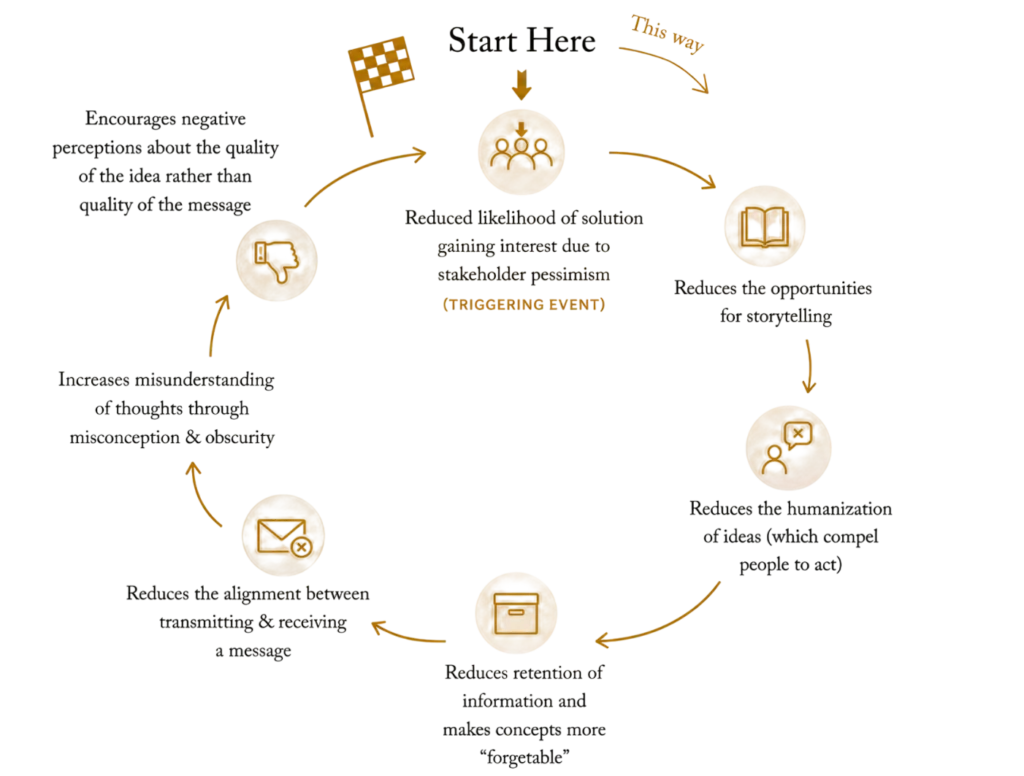
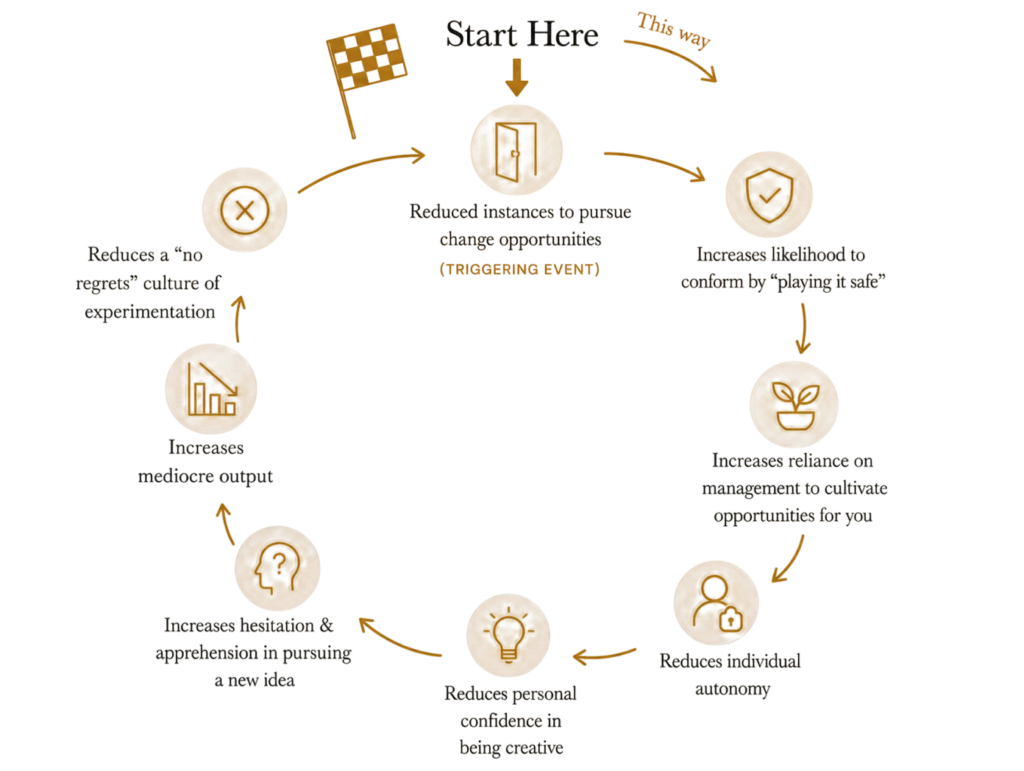
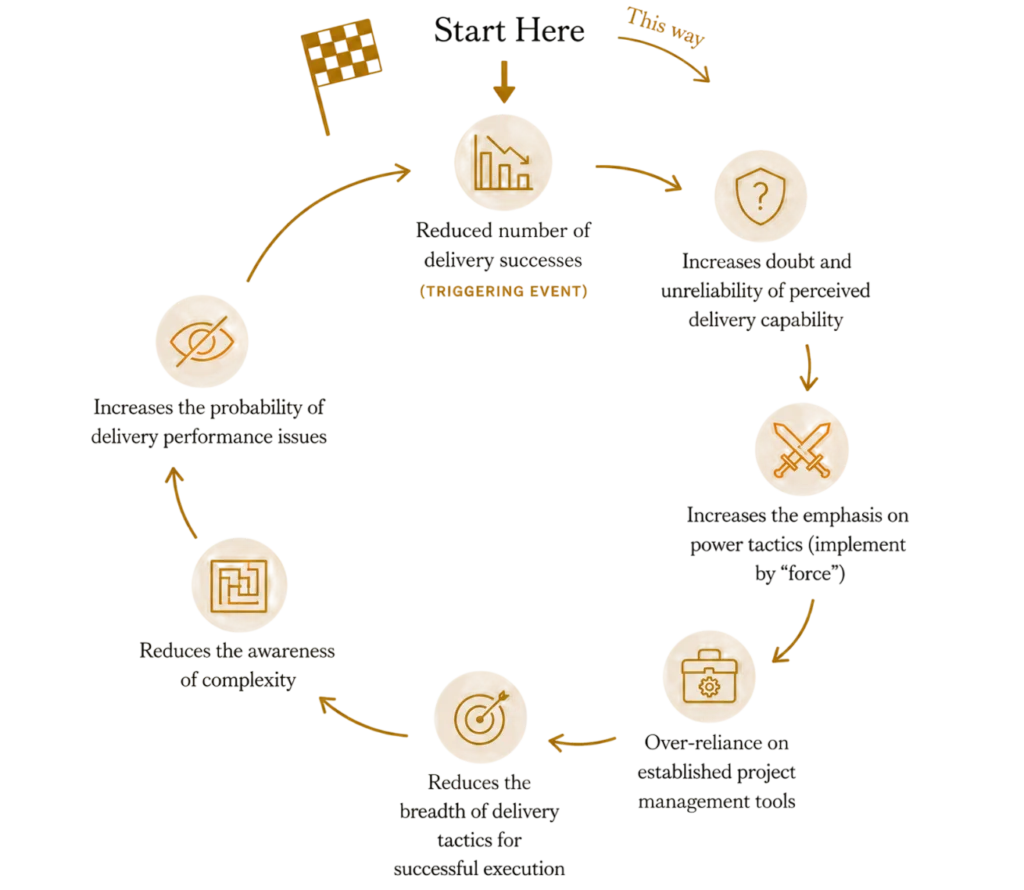
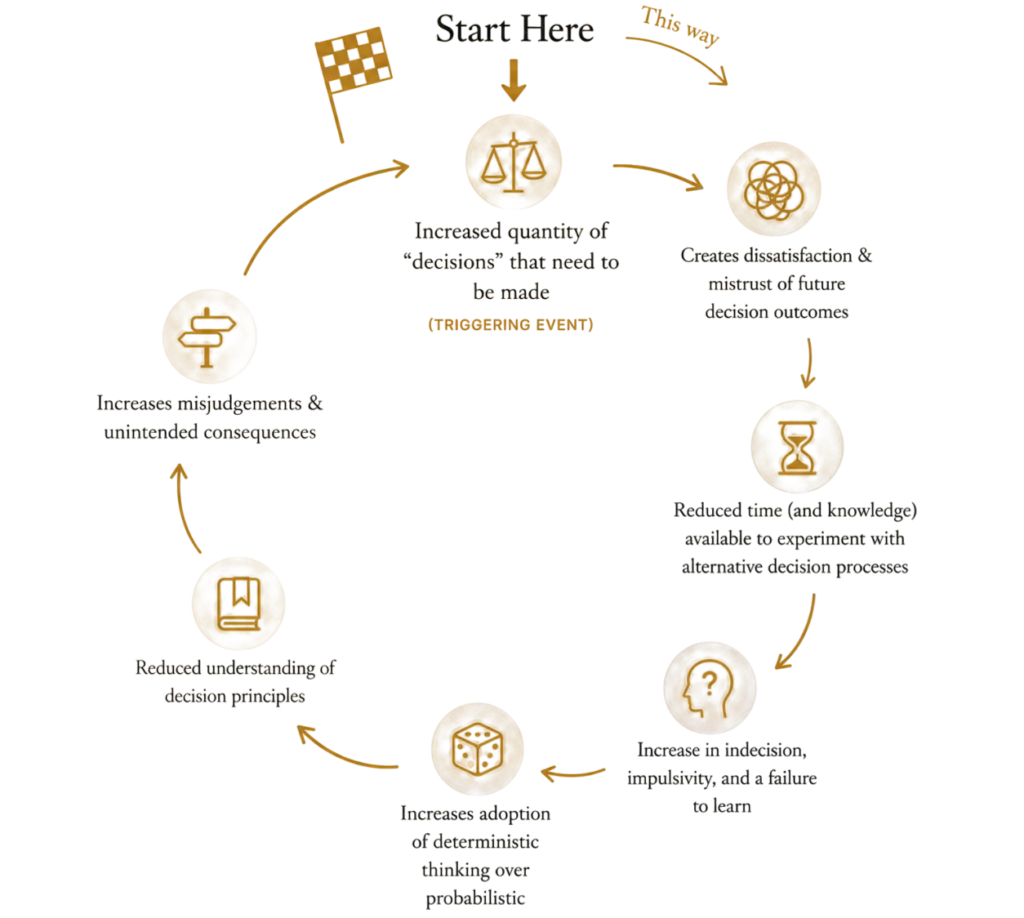
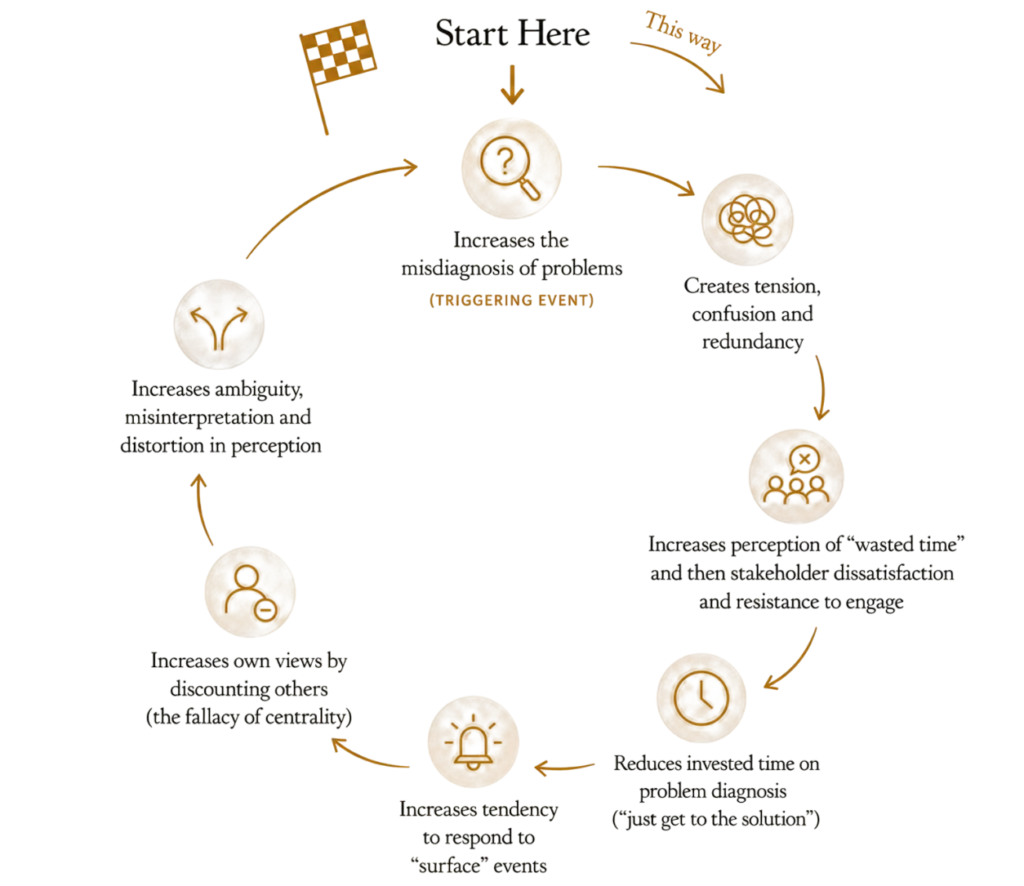
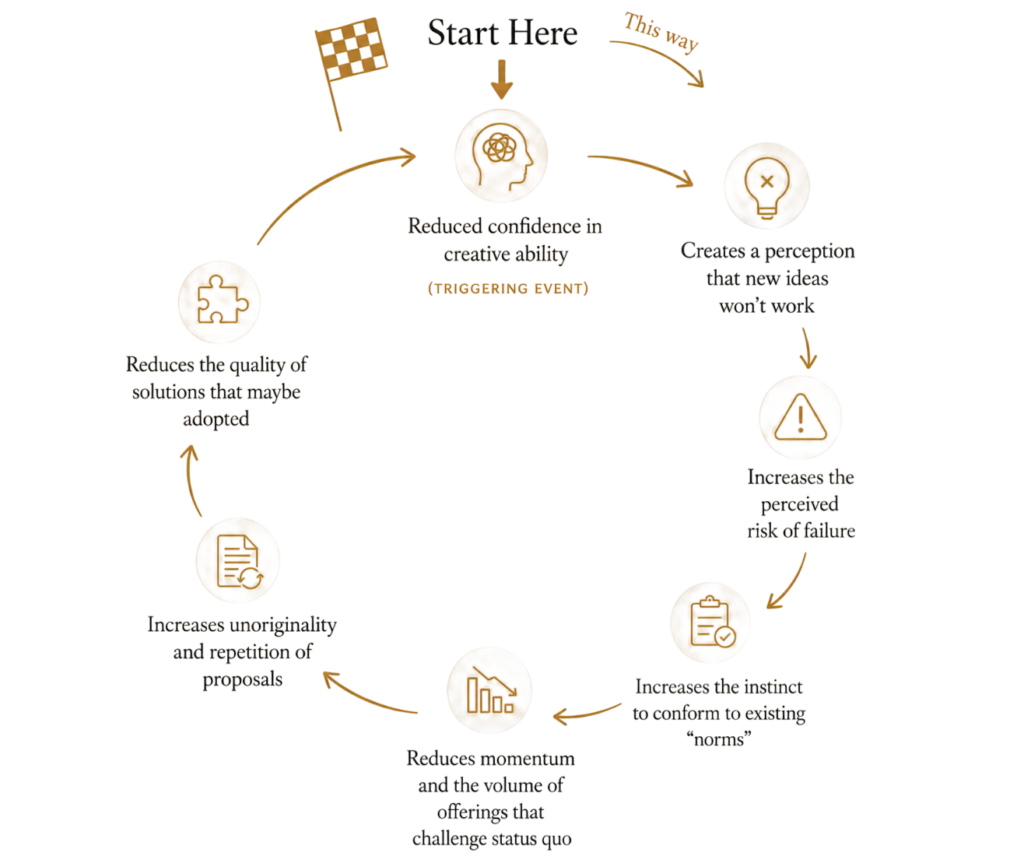
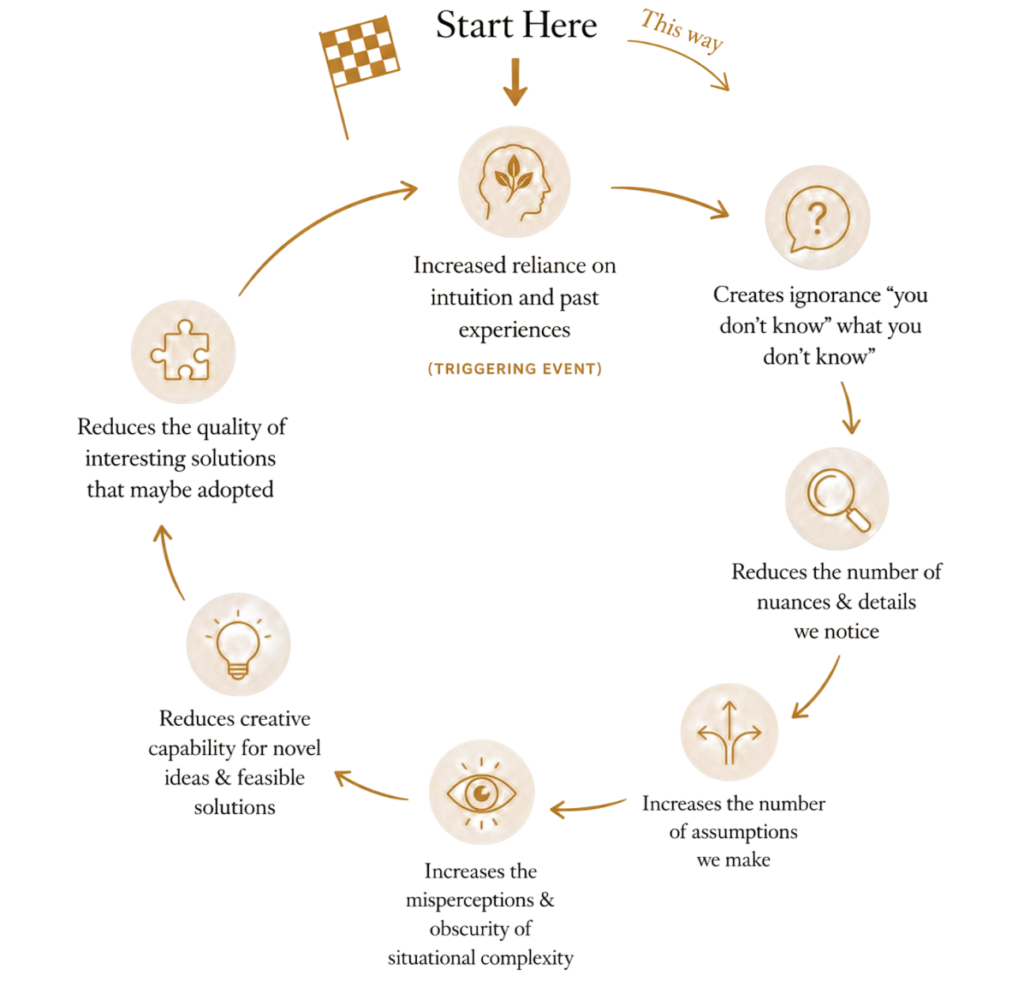
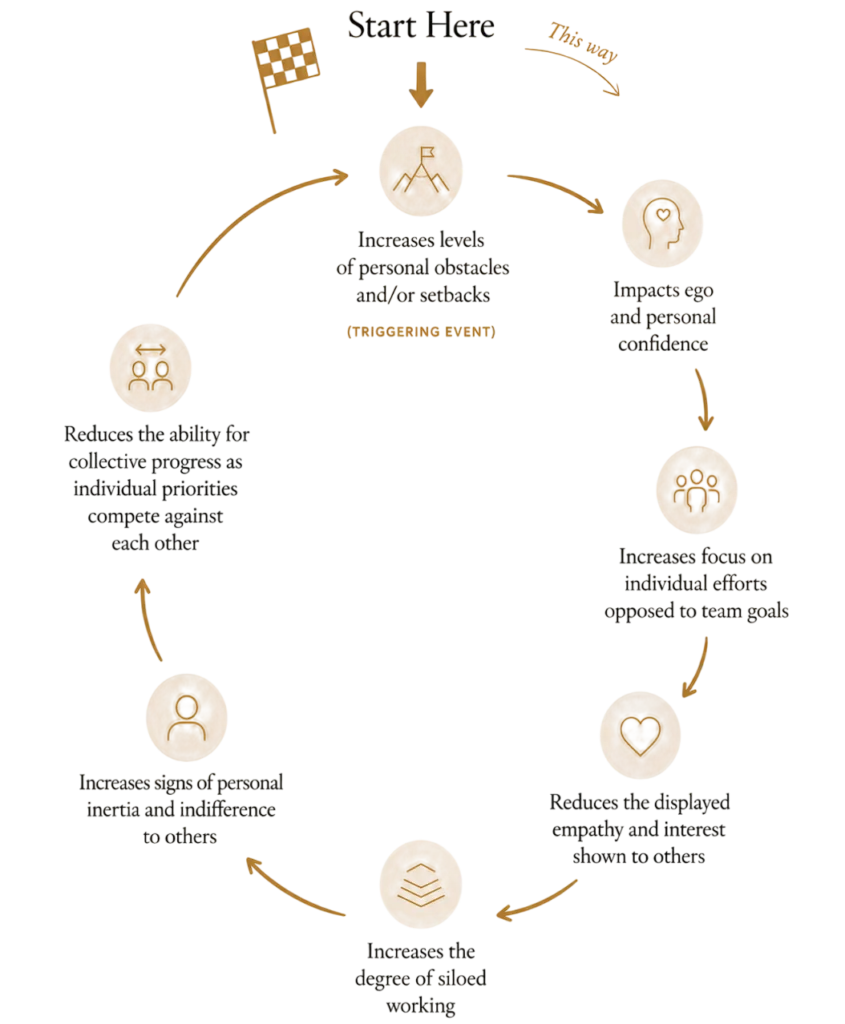
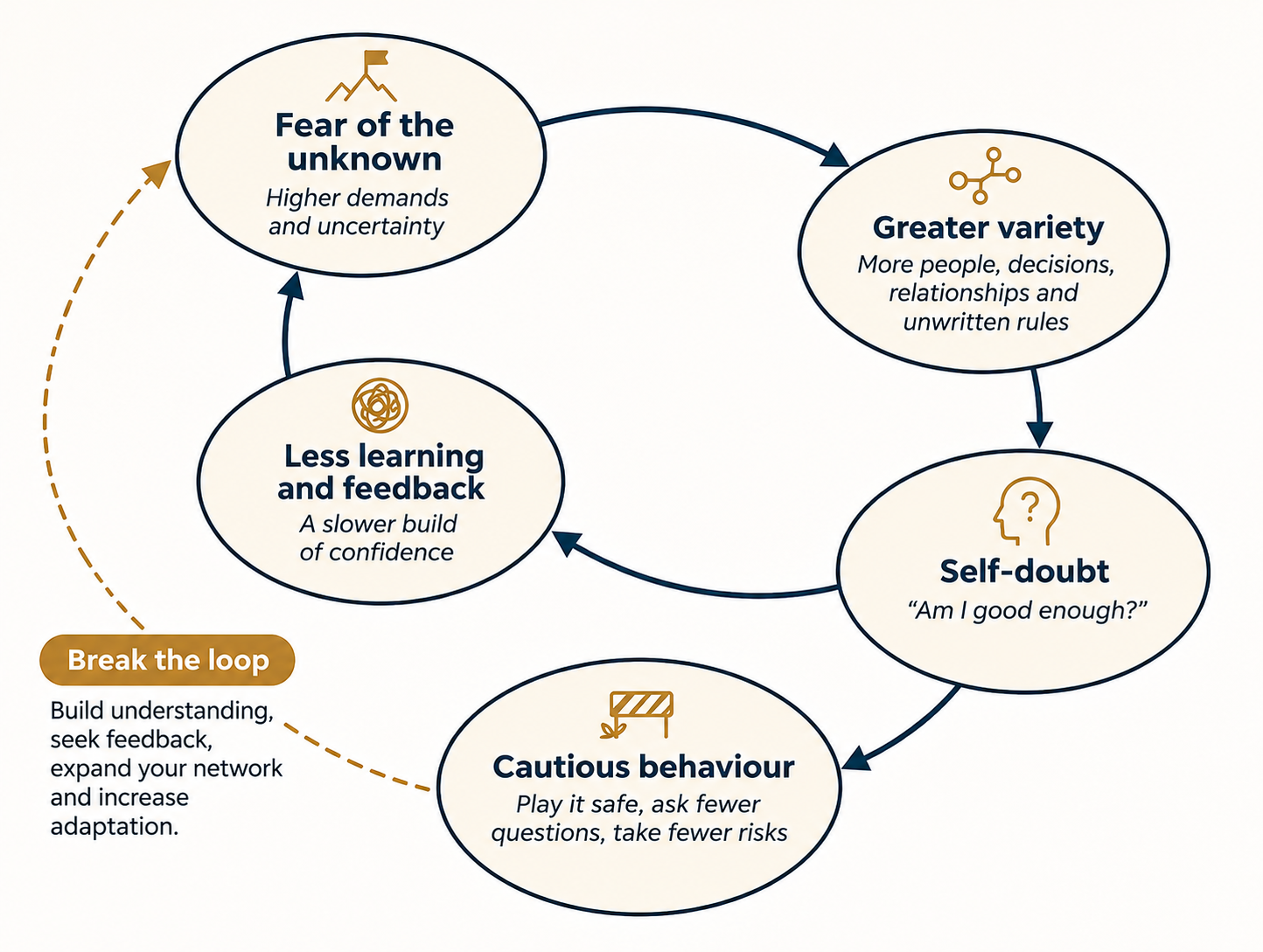
The skills we possess are our mechanisms for dealing with complexity (variety), but we are unfamiliar with the environment. This dynamic generates uncertainty in the operating context, interpersonal relationships, and organisational behaviour norms. The result is amplified individual insecurity because we have no cognitive points of reference. The complexity of the workplace exceeds our immediate ability to handle it, which creates an imbalance. If left unchecked, a reinforcing loop of behaviour can significantly slow down personal integration (Figure 1). To correct that imbalance quickly and achieve ‘requisite variety’.
The power of feedback loops
If the challenge is that our environment contains too much ‘variety’ we don’t know, then to restore that balance we must establish channels that acquire and filter what we need to know.
Feedback loops are a powerful intervention for making sense of unfamiliar environments more quickly. By actively seeking feedback, asking questions and testing assumptions, we progressively acquire and filter information about how the organisation operates, including its expectations, relationships and unwritten rules. This reduces uncertainty and helps us distinguish genuine capability gaps from a simple lack of familiarity. Over time, this continuous cycle of learning and adaptation restores the balance between the skills we already possess and our ability to apply them effectively within the new environment.
There are three simple ways to build feedback loops when starting a new job:
- Ask for feedback. Regularly check in with your manager to understand what’s working, what isn’t and what you could do differently.
- Learn from others. Ask colleagues questions, observe how things get done and gradually understand the organisation’s unwritten rules.
- Try, learn and adapt. Take on new challenges, reflect on the outcomes and adjust your approach as you learn.
Each loop helps reduce uncertainty, build confidence and close the gap between the skills you already have and your ability to apply them in a new environment.
The Closing Thought….
Looking back at Singapore, perhaps I wasn’t suffering from a sudden outbreak of incompetence after all. I had simply landed in a system I didn’t yet understand. My experience hadn’t evaporated somewhere over the Indian Ocean. I just hadn’t learned the rules, relationships and rhythms of my new environment.
Perhaps that’s something worth remembering the next time that familiar voice whispers, “What if I’m not good enough?” Maybe you are. Maybe the system is simply unfamiliar.
And congratulations. That might mean you’re about to learn something.